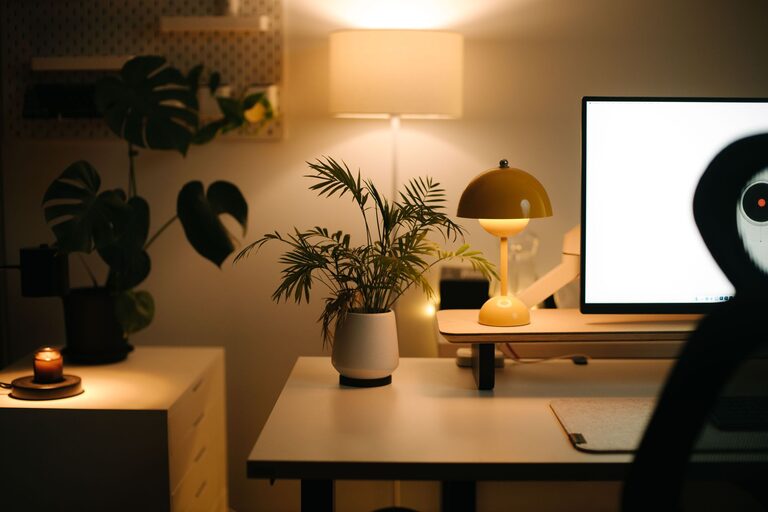
Creating a productive and inspiring home workspace is essential for anyone working remotely or spending significant time at home. A well-designed workspace can boost your focus, enhance creativity, and increase overall job satisfaction. Whether you have a dedicated home office or a small corner, the following tips will help you set up an environment that works for you.
Choose the Right Location
The foundation of an effective workspace is choosing the right spot.
– Quiet and Private: Select a space with minimal distractions. A quiet room or a corner away from the main household traffic is ideal.
– Natural Light: Try to position your desk near a window. Natural light improves mood and reduces eye strain.
– Comfortable Environment: Ensure the temperature, lighting, and noise levels suit your preferences. Adding a small fan or space heater can help maintain comfort.
Invest in Ergonomic Furniture
Comfort is key when you spend long hours working.
– Supportive Chair: Choose an ergonomic chair that supports your lower back and encourages good posture.
– Height-Appropriate Desk: Your desk should be at a height where your arms can rest comfortably at a 90-degree angle.
– Adjustable Options: Consider furniture that can be adjusted, such as sit-stand desks, to allow movement throughout the day.
Organize and Declutter
Clutter can distract and reduce productivity. Keeping your workspace organized helps you focus.
– Use Storage Solutions: Utilize shelves, drawers, and boxes to keep supplies and documents out of sight but within reach.
– Minimal Essentials: Keep only items you regularly need on your desk to avoid a crowded look.
– Cable Management: Use clips or cable organizers to keep wires neat and prevent tangling.
Personalize Your Space
Adding personal touches can make your workspace feel welcoming and inspire creativity.
– Inspiring Decor: Incorporate art prints, photographs, or plants that motivate you.
– Color Selection: Choose colors that uplift your mood; calming tones like blues and greens work well, but adding pops of brighter colors can stimulate creativity.
– Comfort Items: A cozy blanket or a comfortable desk mat can make your workspace more inviting.
Maximize Lighting
Good lighting reduces eye strain and keeps you alert.
– Layered Lighting: Combine natural light with task lighting like a desk lamp.
– Adjustable Lamps: Use lamps with adjustable brightness and direction to suit different tasks.
– Avoid Glare: Position screens to minimize glare from windows or overhead lights.
Establish a Routine
Your workspace is more than a physical area—it’s where your work habits are formed.
– Set Work Hours: Define clear work start and end times to maintain balance.
– Breaks and Movement: Take regular breaks to stretch and move around. This helps maintain energy and focus.
– Daily Planning: Use planners or digital tools to outline tasks and priorities each day.
Technology Setup
Ensuring your technology supports your workflow is crucial.
– Reliable Internet: Invest in a stable internet connection to avoid disruptions.
– Essential Equipment: Equip your space with necessary tools like a good monitor, keyboard, and mouse.
– Cable and Device Charging: Keep chargers accessible and avoid overcrowding power outlets.
Keep It Clean
A clean workspace promotes clear thinking.
– Daily Tidying: Spend a few minutes at the end of each day cleaning your desk.
– Regular Deep Cleaning: Schedule time weekly to dust, vacuum, and refresh your space.
– Healthy Habits: Keep hand sanitizer or wipes nearby to maintain cleanliness.
Incorporate Plants
Plants do more than decorate; they improve air quality and reduce stress.
– Low-Maintenance Varieties: Choose easy-to-care-for plants like succulents or snake plants.
– Placement: Place them where they get enough light but don’t crowd your workspace.
Feedback and Adjustment
Your ideal workspace evolves with your needs.
– Regular Review: Periodically assess your setup. What works well? What could be improved?
– Be Flexible: Don’t hesitate to rearrange or try new organizational methods if something isn’t working.
– Seek Feedback: If you share your space with others, ask them for input on minimizing distractions.
—
Creating a workspace that is both productive and inspiring doesn’t require a large budget or a complete home overhaul. Small changes and thoughtful organization can make a big difference in your daily work experience. By choosing the right location, investing in comfort, keeping your space organized, and personalizing it to reflect your style, you’ll create an environment where you can focus, create, and thrive.