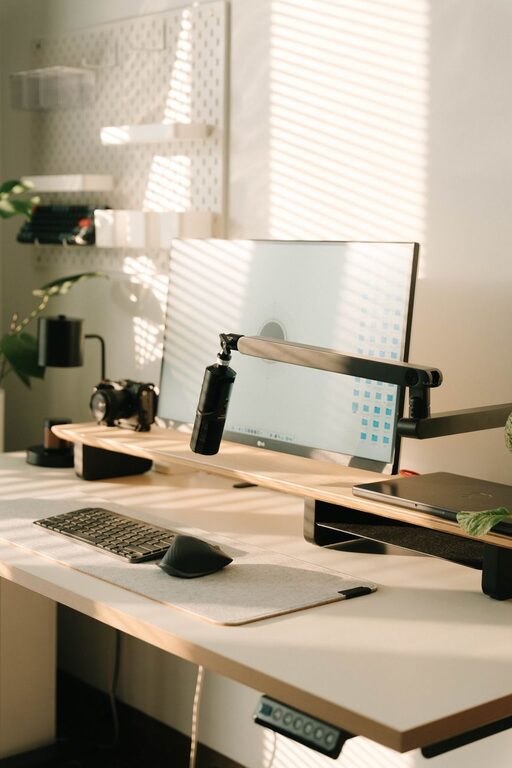
Creating a productive home office environment is essential for anyone working remotely or managing tasks from home. A well-organized and thoughtfully designed workspace can help increase focus, reduce distractions, and boost your overall efficiency. Whether you work full-time from home, freelance, or just need a quiet spot to tackle personal projects, these tips will help you build an environment that supports productivity and wellbeing.
Choose the Right Location
The foundation of a productive home office starts with choosing the best location:
– Find a Quiet Spot: Ideally, select a space away from the main living areas where noise and interruptions are common.
– Consider Natural Light: Position your desk near a window for natural light, which can improve mood and reduce eye strain.
– Evaluate Space Needs: Ensure the area has enough room for your desk, chair, and any equipment or storage you require.
If a separate room isn’t an option, create a dedicated work nook with clear boundaries, so your brain associates the space with work.
Invest in Comfortable, Functional Furniture
Comfort and ergonomics are key to staying productive without fatigue or discomfort.
– Ergonomic Chair: Choose a chair that supports your back and encourages good posture.
– Desk at Proper Height: Your desk should allow your arms to rest comfortably at a 90-degree angle.
– Adjustable Accessories: Consider a monitor stand, keyboard tray, or footrest to customize your setup.
Comfort reduces the risk of aches and keeps you focused on your tasks rather than discomfort.
Organize Your Workspace Efficiently
Cluttered spaces lead to cluttered minds. Keep your workspace neat and functional:
– Minimalist Desk: Only keep daily essentials on your desk to avoid distractions.
– Storage Solutions: Use shelves, drawers, or bins to store paperwork, supplies, and equipment.
– Cable Management: Use clips or ties to organize cords and avoid a tangled mess.
A tidy workspace saves time and helps maintain focus.
Optimize Lighting
Good lighting can improve your mood and reduce eye strain.
– Use Natural Light: As mentioned, make the most of windows.
– Layer Your Lighting: Combine overhead lights with task lighting (like a desk lamp) for flexibility.
– Avoid Glare: Position screens perpendicular to windows and adjust blinds to reduce reflections.
Proper lighting creates a comfortable environment that supports long work sessions.
Minimize Distractions
Home can be full of distractions, but some strategies help maintain focus:
– Set Boundaries: Communicate your work hours and space to family or roommates.
– Use Noise-Canceling Headphones: These can block out background noise if needed.
– Turn Off Non-Essential Notifications: Limit interruptions from phone or computer alerts.
Creating a distraction-free environment helps you enter “work mode.”
Personalize Your Space
Adding personal touches can increase your comfort and motivation.
– Incorporate Plants: Indoor plants can improve air quality and create a calming atmosphere.
– Decorate with Inspiring Items: Photos, artwork, or motivational quotes add personality.
– Use a Comfortable Color Palette: Choose colors that energize or calm you, depending on what you prefer.
Your home office should feel welcoming and motivating.
Establish a Routine and Break Schedule
Even in a private office, habits are important.
– Set Defined Work Hours: Start and finish at consistent times to create structure.
– Take Regular Breaks: Step away from your desk every hour to stretch or rest your eyes.
– Use Time-Management Techniques: Try methods like the Pomodoro Technique to maintain productivity.
Routine helps prevent burnout and keeps you refreshed throughout the day.
Leverage Technology Wisely
Choose technology that supports your tasks without overwhelming you.
– Reliable Internet Connection: A stable connection is essential for communication and online work.
– Use Productivity Tools: Calendars, to-do apps, and focus timers can help organize your day.
– Keep Software Updated: Ensure security and smooth operation by updating your programs regularly.
Technology should be a productivity aid, not a distraction.
Keep Your Workspace Clean
A clean workspace impacts mental clarity and health.
– Regular Cleaning: Dust and wipe surfaces weekly.
– Declutter Weekly: Set aside time to tidy papers and supplies regularly.
– Maintain Hygiene: Clean your keyboard, mouse, and phone frequently.
Clean surroundings help maintain a professional and pleasant workspace.
—
Creating a productive home office environment is about balancing functionality and comfort, reducing distractions, and maintaining routines. By thoughtfully choosing your location, investing in ergonomic furniture, organizing your space, and developing good habits, you set yourself up for success in your work-from-home endeavors. Start with small improvements today, and enjoy the benefits of a workspace designed to help you thrive.