
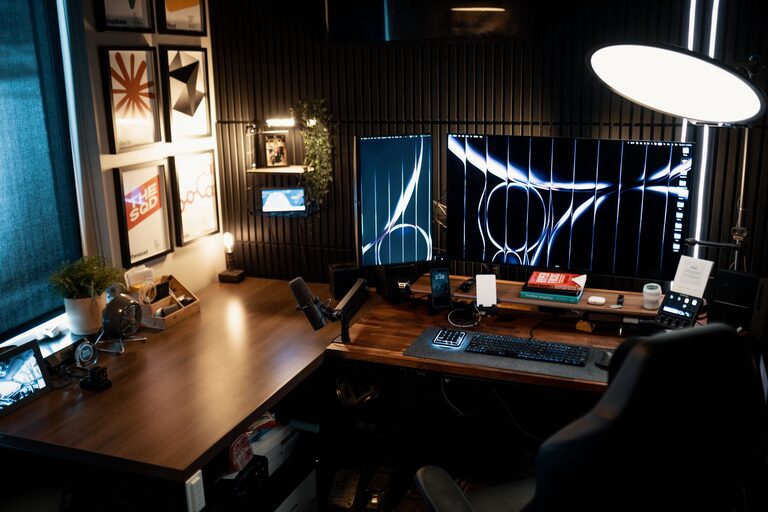
Creating a home office that is both cozy and productive can significantly improve your work-from-home experience. When your workspace feels inviting and is organized to support your tasks, you’re more likely to stay focused, motivated, and comfortable throughout the day. In this post, we share practical tips to help you design a home office that balances comfort with efficiency.
Choose the Right Location
The first step in creating a great home office is selecting the right spot. Here are some factors to consider:
– Natural Light: Try to position your desk near a window. Natural light improves mood and energy levels.
– Quiet Space: Find a quiet area away from household distractions, especially if you participate in frequent video calls or need concentration.
– Dedicated Area: Ideally, dedicate a specific room or corner just for work. This helps mentally separate work from leisure time.
Invest in Comfortable and Functional Furniture
Your furniture plays a big role in comfort and productivity. Consider these points:
– Ergonomic Chair: Use a chair that supports your back and encourages good posture to prevent discomfort during long work sessions.
– Desk Size: Choose a desk big enough to hold your computer, notebooks, and any other tools you need.
– Adjustable Furniture: Adjustable desks or chairs let you customize your setup and can reduce strain or fatigue.
Optimize Lighting for Productivity and Ambiance
Good lighting is key to both coziness and focus.
– Layered Lighting: Combine natural light, overhead lights, and task lighting such as desk lamps.
– Warm Light: Use bulbs with warm tones to create a cozy atmosphere, especially for late-afternoon or evening work.
– Reduce Glare: Position lights to reduce glare on screens and work surfaces.
Organize and Declutter Your Space
A tidy workspace promotes clearer thinking. Use these organization tips:
– Storage Solutions: Use shelves, filing cabinets, or desk organizers to keep supplies in order.
– Cable Management: Use clips or ties to tame cables and avoid a messy desk.
– Minimalism: Keep only essential items on your desk to reduce distractions.
Personalize to Make It Feel Like Your Space
Adding personal touches can make your office more inviting.
– Decor: Include artwork, plants, or photos that inspire or relax you.
– Color Choice: Choose colors for walls or accessories that suit your mood—soft blues and greens are calming, while yellows can be energizing.
– Comfort Items: A cozy blanket, a favorite mug, or a comfortable rug can add warmth.
Plan for Technology and Connectivity Needs
Ensure your tech setup supports your work smoothly.
– Reliable Internet: Check that Wi-Fi signals are strong where you work.
– Functional Equipment: Use quality headphones, webcams, or microphones if needed.
– Charging Stations: Have easy access to power outlets or USB chargers.
Maintain Routine and Boundaries
Creating a cozy and productive office also means managing habits.
– Set Work Hours: Try to start and finish work at consistent times to maintain balance.
– Take Breaks: Incorporate short breaks to stretch or relax your eyes.
– Limit Interruptions: Communicate your work schedule to family or housemates to reduce disruptions.
Incorporate Plants for a Refreshing Touch
Plants are a simple way to boost your office environment.
– They improve air quality and create a calm atmosphere.
– Choose easy-care plants like succulents, snake plants, or pothos.
– Place plants on shelves, desks, or windowsills for visual appeal.
Keep it Flexible and Evolving
Your needs may change over time, so consider flexibility.
– Use modular furniture that can be rearranged.
– Reassess your workspace after a few weeks and adjust things that don’t work well.
– Stay open to adding new items or removing clutter to improve your space.
—
A cozy and productive home office is achievable with thoughtful planning. By focusing on comfort, organization, lighting, and personalization, you can create a workspace that motivates you and supports your best work every day. Whether you’re new to working from home or looking to refresh your setup, these tips offer a practical guide to making your home office a space you enjoy spending time in.